
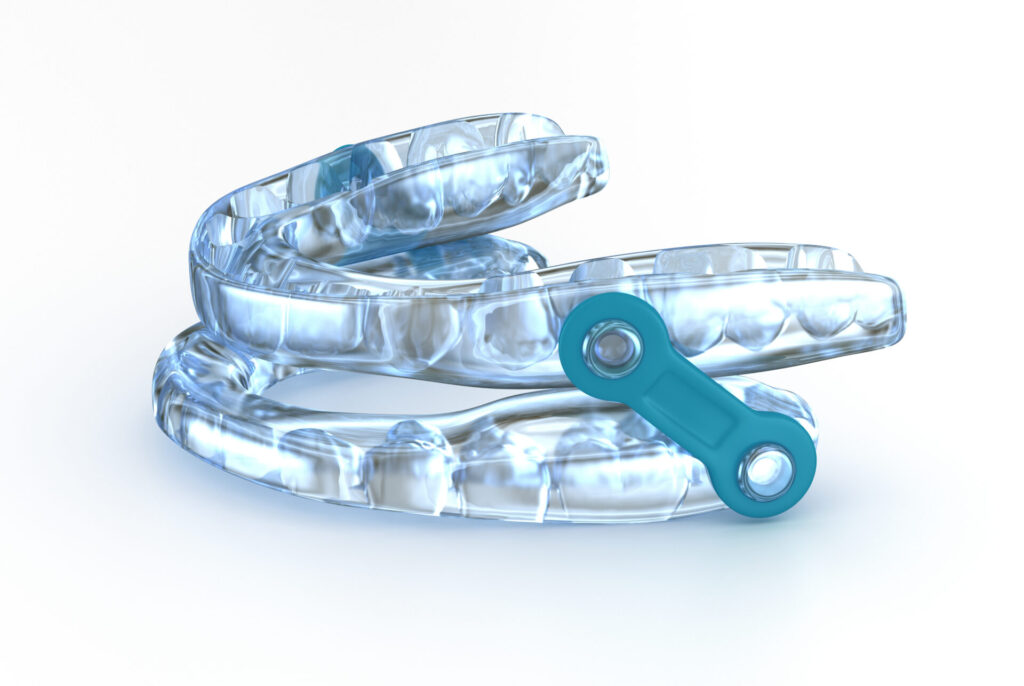
Oral appliances may look similar at first glance, but they are not all designed to do the same job. A night guard is generally used to protect teeth from grinding and clenching, while an appliance used as part of sleep apnea treatment in Markham is intended to help manage the airway during sleep in appropriate patients. Understanding that distinction is important because snoring, bruxism, jaw discomfort, and obstructive sleep apnea can involve very different causes and treatment needs.
A Night Guard Primarily Protects the Teeth
A custom night guard creates a protective barrier between the upper and lower teeth. It may be recommended when grinding or clenching is contributing to tooth wear, chipping, jaw tension, or other dental concerns. Although it is worn during sleep, a conventional night guard is not automatically a treatment for obstructive sleep apnea.
A Sleep Apnea Appliance Has a Different Purpose
An oral appliance for obstructive sleep apnea is designed around the relationship between the jaw, tongue, and airway. Avatar Dental explains that a mouth appliance may be incorporated into treatment to help maintain smoother airflow during sleep. The design and positioning are therefore based on different goals than an appliance intended mainly to protect teeth from grinding.
Sleep Apnea Needs Medical Assessment First
Snoring alone does not confirm obstructive sleep apnea. Avatar Dental’s treatment sequence begins with assessment by a family doctor or sleep specialist, including appropriate sleep testing. Diagnostic information may then be sent to the dentist for suitable cases. This helps ensure that symptoms are properly evaluated before an oral appliance is considered.
A Dental Examination Is Still Important
After appropriate medical assessment, the dentist needs to examine the teeth, gums, bite, jaw, and existing restorations before making an oral appliance. Routine dental checkups can also identify concerns that may affect appliance fit or comfort, while patients experiencing jaw symptoms may require additional TMJ evaluation.

Oral Appliances Are Not Appropriate for Every Case
The appropriate treatment depends partly on the type and severity of the sleep disorder. Avatar Dental notes that dental appliances may be considered for referred mild to moderate obstructive sleep apnea cases, while more severe cases may require other management such as CPAP or specialist care. Follow-up is also important to evaluate how an appliance is functioning.
Ask Which Appliance Is Actually Being Recommended
If you grind your teeth, snore, or have been diagnosed with sleep apnea, do not assume that one mouthpiece addresses all three concerns. Each appliance should be selected for a specific reason after the appropriate assessment. If you have been referred for an oral appliance or want to discuss your dental options after a sleep evaluation, schedule an appointment with Avatar Dental in Markham.