Selecting a toothbrush may seem like a simple decision, but the type of toothbrush you use can play an important role in your daily oral hygiene routine. With so many options available in stores today, patients often wonder which toothbrush is best for their teeth and gums. Understanding a few basic features can help you choose a toothbrush that supports effective brushing and helps maintain a healthy smile.
Manual or Electric Toothbrush
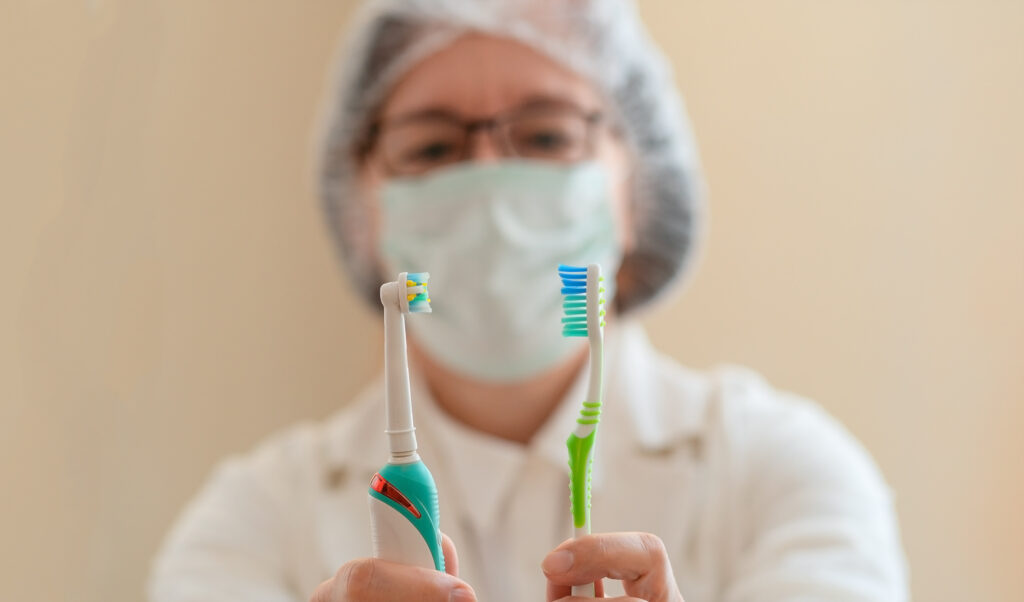
One of the most common questions patients have is whether a manual or electric toothbrush is better. Both types of toothbrushes can clean teeth effectively when used properly and consistently.
- Manual toothbrushes are affordable, widely available, and easy to control while brushing. Many patients prefer them because they are simple to use and convenient to travel with.
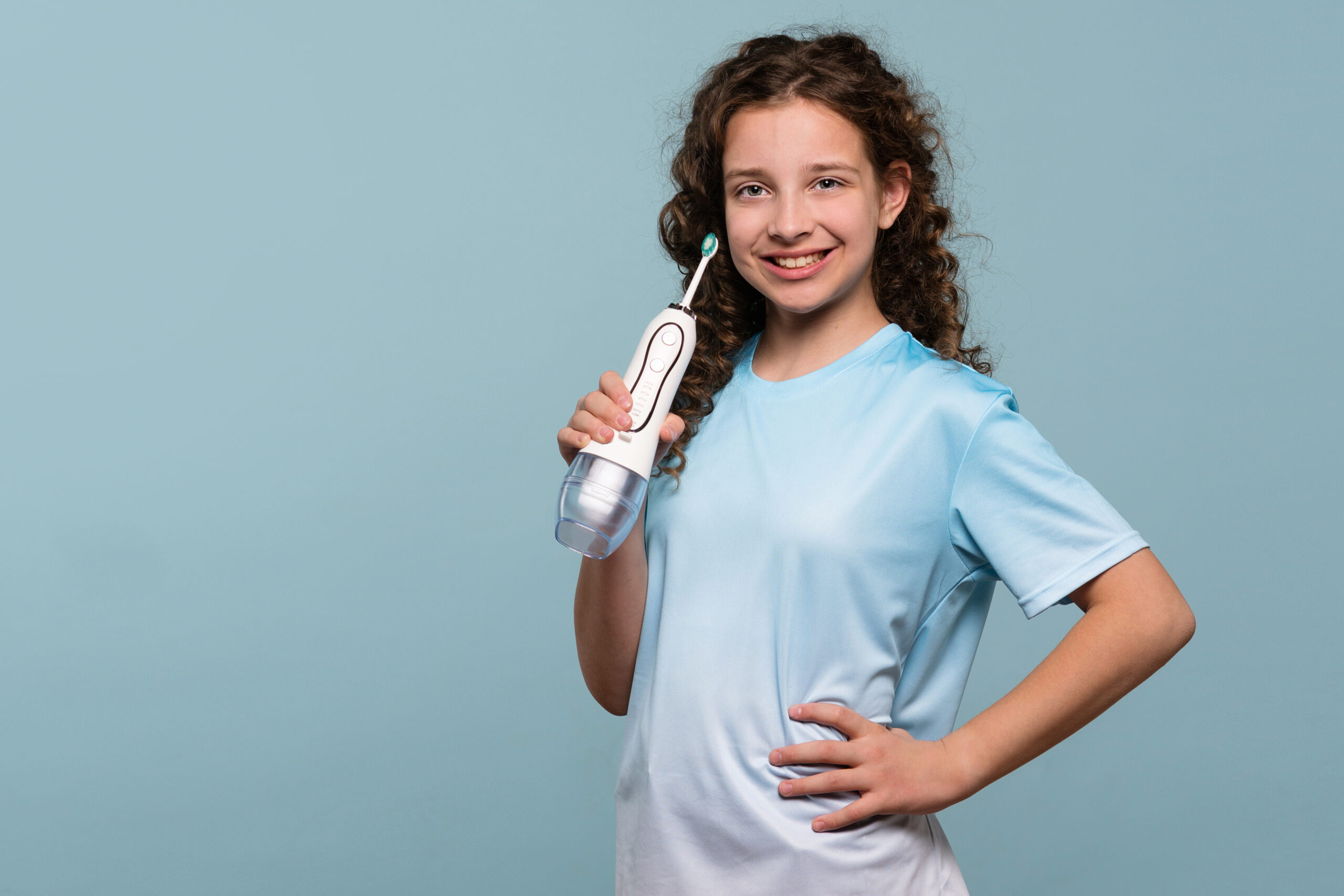
- Electric toothbrushes offer automatic brushing motions that can help remove plaque from the surfaces of the teeth. Some people find electric toothbrushes helpful because the movement of the brush head may make it easier to maintain consistent brushing. Electric toothbrushes may also be helpful for individuals who have difficulty with manual brushing techniques.
Ultimately, the best toothbrush is one that you feel comfortable using twice a day and that allows you to clean all areas of your mouth effectively.
Features to Look for in a Toothbrush
When choosing a toothbrush, there are several features that can make brushing more comfortable and effective.
- Many dentists recommend toothbrushes with soft bristles. Soft bristles are gentle on the gums while still being effective at removing plaque from the teeth. Bristles that are too firm may irritate the gums or cause unnecessary wear on the enamel.
- The size of the brush head is also important. A smaller brush head often allows easier access to the back teeth and other areas that may be more difficult to reach.
- A comfortable handle can also help make brushing easier. Toothbrushes with non slip grips or ergonomic handles may allow better control while brushing.
When to Replace Your Toothbrush
Toothbrushes should be replaced regularly to maintain their effectiveness. Over time, bristles begin to wear down and lose their ability to clean teeth properly. Most dental professionals recommend replacing your toothbrush every three to four months. If the bristles appear frayed or worn before that time, it may be best to replace the toothbrush sooner. It can also be helpful to replace a toothbrush after recovering from an illness to help maintain good oral hygiene.
Supporting Healthy Daily Oral Care
Choosing the right toothbrush can help make daily brushing more effective and comfortable. Along with brushing twice a day and flossing regularly, selecting the right oral hygiene tools can help support long term dental health. If you have questions about choosing a toothbrush or improving your oral hygiene routine, the team at Avatar Dental can help provide guidance during your next dental visit.