
Chipping a tooth can be a jarring experience, whether it happens from a small fall, an accident during sports, or biting down on something too hard. While a dental professional must always evaluate a chipped tooth, your immediate actions are crucial for managing the situation at home. Knowing the right first steps can help prevent further damage, reduce discomfort, and keep the tooth safe until you can see your dentist. The goal is temporary relief and protection.
Immediate Steps for a Chipped Tooth
As soon as you realize a tooth is chipped, there are several immediate actions you should take. First, gently rinse your mouth with warm water to clear away any small tooth fragments and clean the area. If there is bleeding, use gauze to apply light pressure. For swelling or pain on the outside of your face, apply a cold compress to the cheek or lip near the injured tooth to help reduce swelling and provide relief. A chipped tooth may also leave a sharp edge that can irritate your tongue, cheek, or lip. To protect the soft tissues of your mouth, place a small piece of dental wax or sugarless chewing gum over the area temporarily while you wait for professional care.
Once you have taken immediate first aid steps, you need to manage the tooth until your dental appointment. The most important rule is to avoid chewing with the chipped tooth. Shift your chewing to the opposite side of your mouth to prevent putting pressure on the compromised tooth. You may notice increased temperature sensitivity, especially to hot or cold foods and drinks. If this occurs, try to consume foods and liquids that are lukewarm or room temperature to avoid shocking the nerve. For any pain or soreness, over the counter pain relievers, such as ibuprofen, may provide effective relief. Follow the dosage instructions carefully. Remember, these home measures are only a temporary fix to keep you comfortable and protect the tooth from further harm.
When to Seek Professional Evaluation
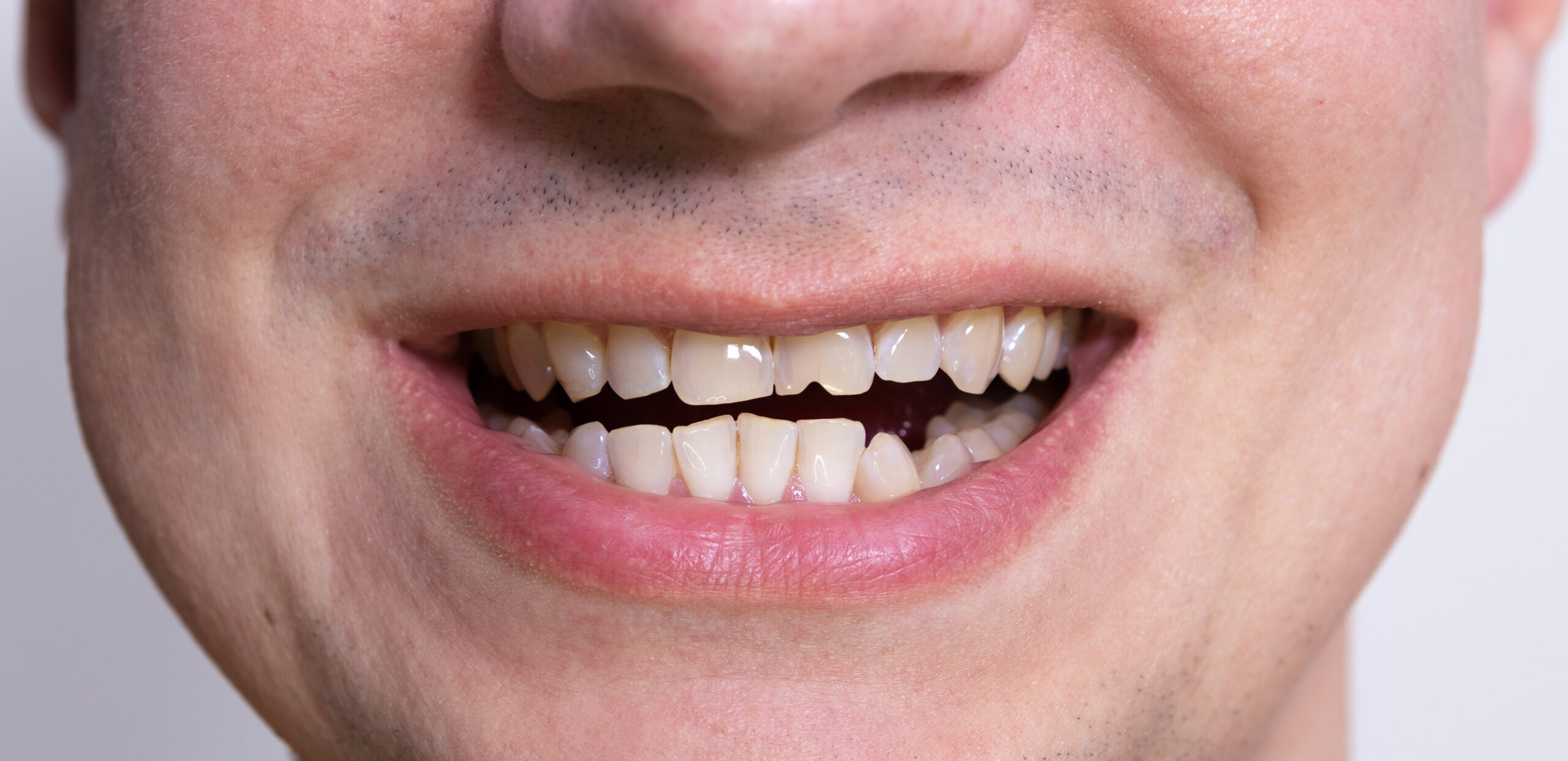
Regardless of how minor the chip may appear, professional assessment is necessary for any chipped tooth. Even a small chip can expose the sensitive internal layers of the tooth, making it vulnerable to decay or further fracture. Your dentist can assess the depth of the chip, check for damage to the pulp or nerve, and recommend the right treatment plan. This is especially true if the chip causes noticeable pain or sensitivity, affects your bite, or results in a sharp edge that cuts your mouth. Restorative options like dental bonding or a crown can help restore the tooth’s function and appearance, but a professional exam is the only way to determine the best approach.
When an unexpected dental issue arises, it is reassuring to know where to turn. At Avatar Dental in Markham, the team provides clear guidance and restorative support, focusing on your comfort and immediate needs. If you have experienced a chip or want support maintaining your oral health, please book your appointment with our caring team today.